
MERJ Newsletter 2/3/2026
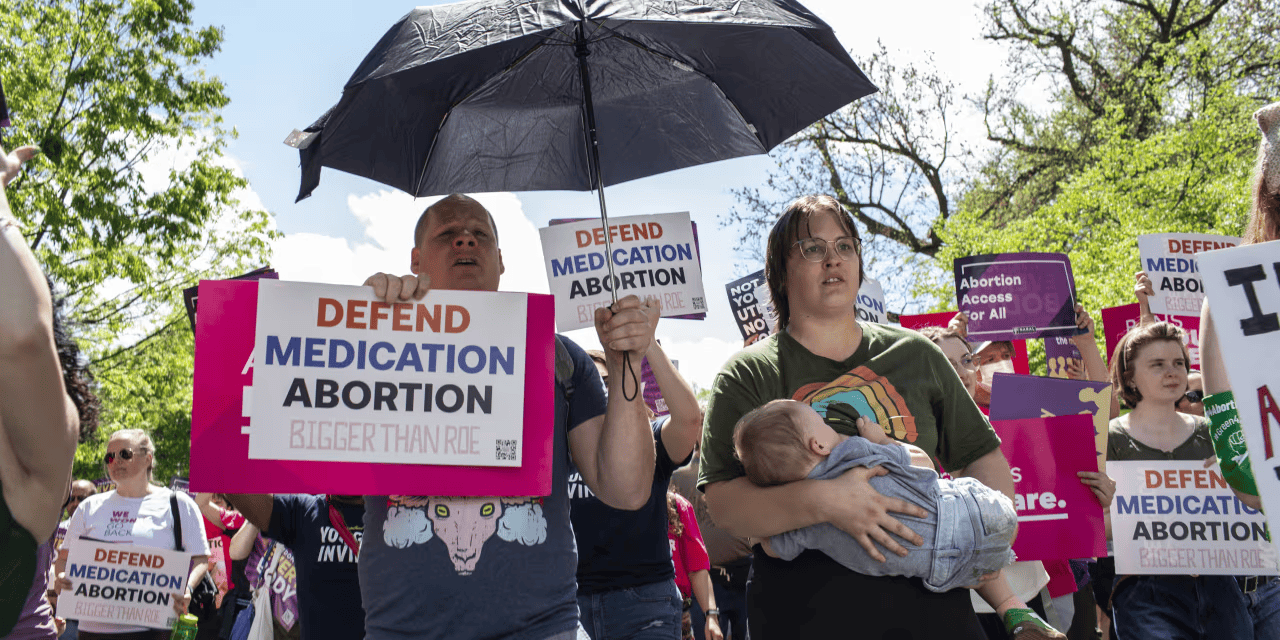
📚 MERJ Book Club!
If you’re interested in joining one of our future book discussions, email us at action@endthepatriarchy.org, and we’ll be happy to invite you!
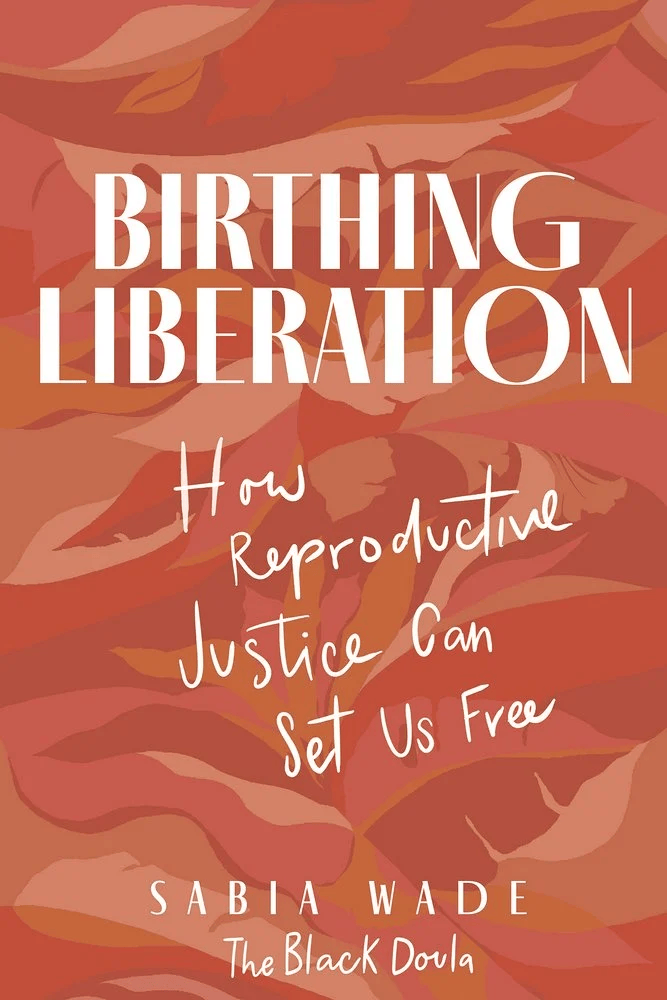
Birthing Liberation: How Reproductive Justice Can Set Us Free
by Sabia Wade, “The Black Doula”
Originally published March 7, 2023; notes below from Bookshop.org page.
Birthing Liberation presents reproductive justice as the pathway to equity and the birthplace of liberation.
Sabia C. Wade, renowned radical doula and educator, speaks to the intersections of systemic issues--such as access to health care, house transportation, and nutrition--and personal trauma work that, if healed, have the power to lead us to collective liberation in all facets of life.
Collective liberation rests on the idea that in order for us all to have equity in this world--from the safety of childbirth, to the ability to bring a baby home to a safe community, to having access to resources, safety, and opportunities over the long term--we must all become liberated individuals.
Birthing Liberation creates a path to social and systemic change, starting within the birthing world and expanding far beyond.
Other books we’ve read, and strongly recommend:
Men and Abortion: Lessons, Losses, and Love, by Arthur B. Shostak, Lynn Seng, and Gary McLouth
Killing the Black Body: Race, Reproduction, and the Meaning of Liberty, by Dorothy Roberts
Abortion: Our Bodies, Their Lies, and the Truths We Use to Win, by Jessica Valenti
Ejaculate Responsibly: A Whole New Way to Think About Abortion, by Gabrielle Blair
Comics for Choice, ed. Newlevant, Taylor, and Fox
You’re the Only One I’ve Told: The Stories Behind Abortion, by Dr. Meera Shah
Undivided Rights: Women of Color Organize for Reproductive Justice, by Silliman, Gerber Fried, Ross, and Gutiérrez
Reproductive Justice: An Introduction, by Loretta J. Ross and Rickie Solinger
A letter from MERJ’s co-founder
Changing our Language to Expand Access
Dear MERJ Community,
As men committed to reproductive justice, using accurate, respectful language helps build trust and strengthens advocacy. When discussing abortion care, it’s important to avoid the phrase “late-term abortion.” This is not a medical term and is widely considered misleading. Medical experts define late term as 41 weeks of pregnancy. This is not a time when abortions occur since this typically would be after the fetus has been birthed.
Instead, we ask those that support bodily autonomy use:
“Abortion later in pregnancy”
“Later abortion”
Specific gestational weeks when known
Key Facts to Understand
Most abortions occur early in pregnancy.
Abortion becomes less common with each week of pregnancy. While later abortions are less frequent, thousands of people still need this care each year.People are confident in their decisions.
Research shows 95% of people who have abortions say it was the right decision, with relief being the most common emotion.Abortion is safe throughout pregnancy.
Complication rates are lower than those associated with continuing pregnancy or many common medical procedures.
Barriers and Inequities
People seeking abortions later in pregnancy are more likely to face systemic barriers, including poverty, limited insurance coverage, travel restrictions, and high out-of-pocket costs. These challenges disproportionately affect people of color, younger individuals, and those with fewer financial resources.
By using accurate language and sharing reliable information, we help reduce stigma and support informed, compassionate advocacy.
Further Education, Information and Expertise
Who Not When: People-centered resource on later abortion
Guttmacher: Trusted information, data, and analysis
Physicians for Reproductive Health: Reporter resource
Interrupting Criminalization: Resource on decriminalizing abortion
Later Abortion Initiative: Later abortion research, policy, provision
Kaiser Family Foundation (KFF): Facts on later abortion
In solidarity,
The MERJ Team

📖 5 Minute Power Read from Mother Jones:
“How Viability Limits End Up Criminalizing Pregnancy”
Small excerpt: “The parallels between [Pregnancy Justice’s legal director Karen Thomas’s] earlier work and the increasing criminalization of pregnancy and abortion in post-Roe v. Wade America could not have been clearer. ‘We are seeing all the same kinds of issues in the repro space that people in the criminal defense space have been talking about for years.’ …
By creating a constitutional line between acceptable and unacceptable abortions, she says law enforcement is given a powerful weapon it can use against women for any actions that might be seen as harming a viable fetus—drug use in pregnancy, for instance—as well as a rationale to investigate and punish people for miscarriages and stillbirths. ‘It’s already happening,’ she says, ‘and viability lines just make it easier.’
A new report by Pregnancy Justice and the advocacy group Patient Forward underscores the fact that one of the most insidious things about viability lines is their close relationship to fetal personhood, the once-fringe idea—now increasingly embraced by the Republican mainstream—that embryos and fetuses are entitled to the same constitutional rights as anyone else.”
🔉👂🏼 Podcast Power Listen Recommendation:

Episode 291 of the “Boom! Lawyered” podcast (32 minutes)
In this episode of “Boom! Lawyered,” Imani and Jess break down HB 7, a Texas law that attacks medication abortion and could set the stage for a nationwide abortion ban. They also discuss how the legislation, which went into effect on Dec. 4, 2025, incentivizes community members to snitch on one another using financial rewards.
💸 Amazing Organization to Support:

The Colorado Doula Project is a grassroots non-profit organization that provides free logistical, financial, and emotional support for people accessing abortion in Colorado. They are a network of Volunteer Abortion Doulas that can help people access an abortion in Colorado as safely and comfortably as possible, with support along the way.
Please donate to support their important and inspiring non-profit work!
“Reproductive freedom is critical to a whole range of issues. If we can’t take charge of this most personal aspect of our lives, we can’t take care of anything. It should not be seen as a privilege or as a benefit, but a fundamental human right.
”
Help and Resources to Share with Anyone Needing an Abortion: (from ifwhenhow.org)
Find a local clinic by using the National Abortion Federation map.
If you have questions about your legal rights and self-managed abortion, the Repro Legal Helpline is a free, confidential source for legal advice and information. Visit ReproLegalHelpline.org or call 844-868-2812.
If you are under 18 and need information about your rights to an abortion, you can message or call our Repro Legal Helpline at 844-868-2812. You can also read more about your rights on our Judicial Bypass Wiki.
If you have been arrested, contacted by the police, or fear you may be arrested for a self-managed abortion, our Repro Legal Helpline can provide immediate legal advice and support, and our Repro Legal Defense Fund can help with bail and legal fees. You can call our Repro Legal Helpline at 844-868-2812, and for help with bail and other fees, visit ReproLegalDefenseFund.org.
Medically-reviewed, step-by-step directions for how to self-administer a medication abortion using mifepristone and misoprostol can be found on the Hey Jane website.
